If a peace deal between Russia and Ukraine comes together, the United States could play the central role in monitoring a large buffer zone inside Ukraine, according to four people familiar with a plan being discussed by military officials from Ukraine’s allies, including the U.S.
The proposed demilitarized zone would separate Russian and Ukrainian territories, though its exact borders have yet to be defined. Because of its advanced technological capabilities, the United States would oversee the zone using drones, satellites, and other intelligence tools, coordinating with other countries involved in monitoring. Troops from non-NATO nations, such as Saudi Arabia or Bangladesh, could provide on-the-ground security, but no U.S. forces would be deployed inside Ukraine.
Russian President Vladimir Putin would have to approve any plan, and planners are deliberately avoiding NATO involvement, which Moscow considers a red line. Instead, security guarantees would rely on non-NATO forces and a network of bilateral agreements with Ukraine, giving Kyiv protection without triggering NATO’s Article V obligations.
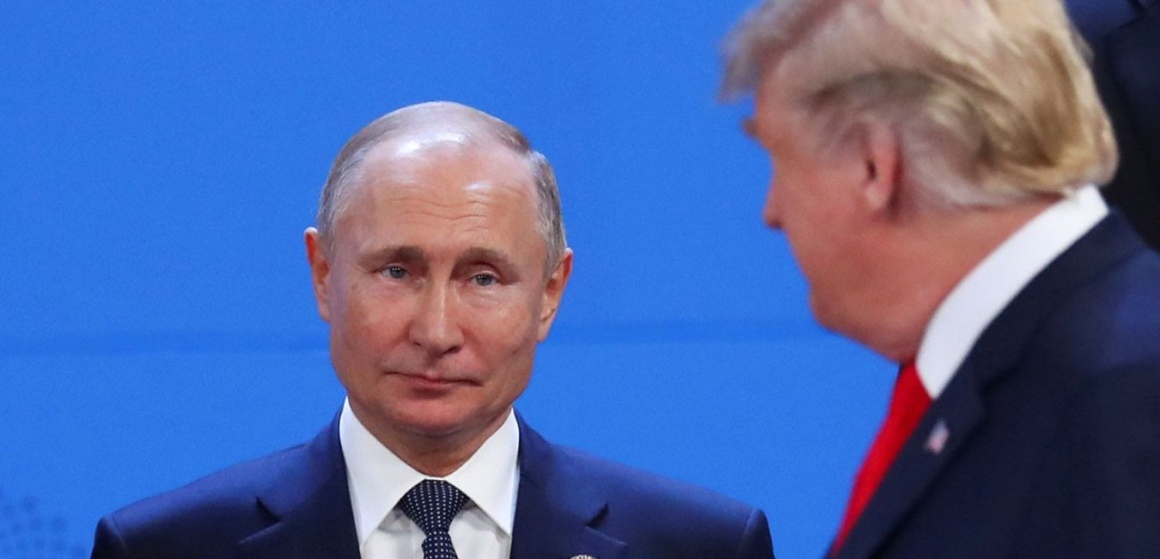
The plan has emerged in the wake of President Donald Trump’s August 15 meeting with Putin in Alaska, which was initially expected to lead to further negotiations between the Russian and Ukrainian leaders. While direct talks have stalled, Ukraine’s allies have continued shaping potential security guarantees, which are seen as a key component of any peace arrangement.
On Thursday, members of the “coalition of the willing,” an informal group of countries supporting Ukraine, met to discuss formalizing aspects of the plan. The meeting, led by France and the United Kingdom, focused on how to provide long-term security for Ukraine after the war.
Ukrainian President Volodymyr Zelenskyy shared details on X, writing, “We discussed in detail each country’s readiness to make a contribution to ensuring security on land, at sea, in the air, and in cyberspace. We coordinated positions and reviewed elements of security guarantees.”
Among the challenges under discussion are the rules of engagement for the buffer zone, including what types of Russian incursions would trigger a response and what form that response would take. Sources say these decisions will likely be contested once a deal is implemented.
Economic security is another critical aspect. Turkey would play a key role in ensuring the unimpeded flow of goods through the Black Sea, conducting maritime surveillance and enforcement in the Bosporus and Dardanelles straits. Turkey previously helped secure a maritime corridor to export Ukrainian grain after Russia’s invasion.
At the Pentagon, Air Force Gen. Dan Caine, chairman of the Joint Chiefs of Staff, is leading talks on deterrence, training, and defense industrial cooperation. Officials said the U.S. is exploring a deal worth roughly $100 billion, which would allow Ukraine to purchase American weapons while granting the U.S. intellectual property rights to advanced Ukrainian systems.
Following the Alaska summit, Caine briefed Trump on four potential security guarantee options and recommended the most proactive approach. White House press secretary Karoline Leavitt declined to comment on the plan’s details, stating, “President Trump is the decision maker. Out of respect for ongoing diplomatic negotiations, the White House is not going to get ahead of him on these important matters.” She added, “Anyone anonymously claiming to know what he will or will not support doesn’t know what they are talking about.”
The buffer zone plan reflects ongoing efforts by the U.S. and its allies to protect Ukraine while navigating the delicate diplomacy required with Russia. While tentative, it highlights Washington’s potential central role in maintaining security in the region if a peace deal is ever finalized.