Two US Navy aircraft crashed within minutes of each other during separate routine missions over the South China Sea on Sunday, according to the Navy’s Pacific Fleet. All personnel were rescued without injury.
Officials said an MH-60R Seahawk helicopter went down around 2:45 p.m. local time while operating from the aircraft carrier USS Nimitz. About 30 minutes later, an F/A-18F Super Hornet fighter jet also crashed during flight operations from the same carrier. Three crew members from the helicopter and both pilots from the jet were safely recovered by rescue teams.
US President Donald Trump called the back-to-back crashes “very unusual,” suggesting fuel contamination might have been involved. “They think it might be bad fuel. We’re gonna find out. Nothing to hide, sir,” Trump told reporters aboard Air Force One while traveling from Malaysia to Japan on Monday.
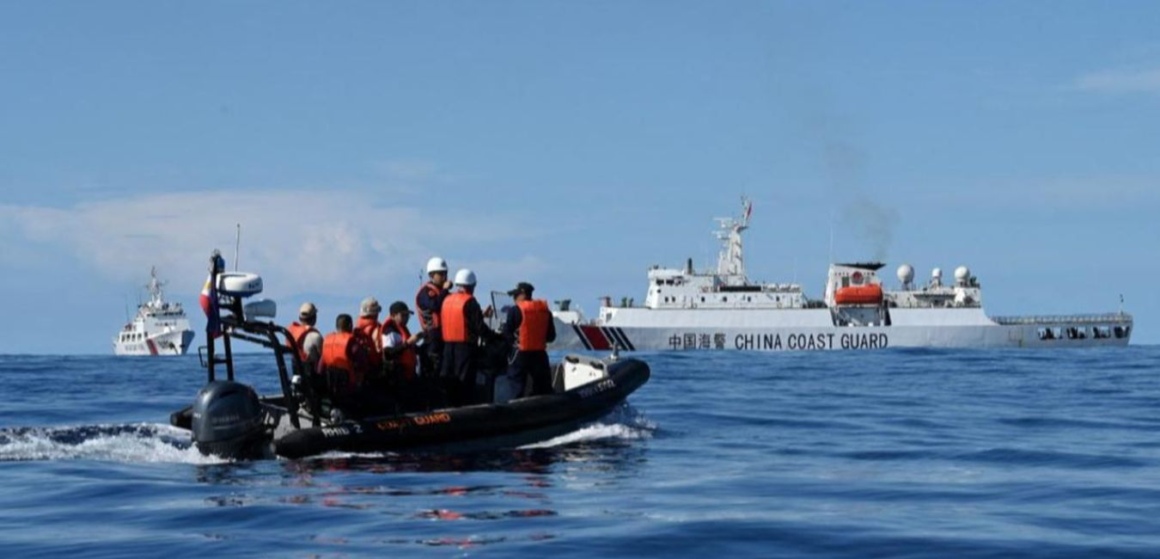
The Navy has begun investigating both accidents, which occurred in the strategically vital South China Sea — a region frequently described as a potential global flashpoint. The waterway is claimed in part or whole by several nations, but China continues to assert control over nearly all of it despite an international court ruling rejecting its claims.
In recent years, Beijing has expanded its military presence across the region by constructing airstrips and outposts on disputed islands. The US maintains a consistent naval presence there, emphasizing freedom of navigation and supporting its regional allies.
The F/A-18F Super Hornet involved in Sunday’s crash is the fourth jet of its kind lost by the Navy this year. Similar incidents occurred earlier in the Red Sea and off the coast of Virginia during training exercises.
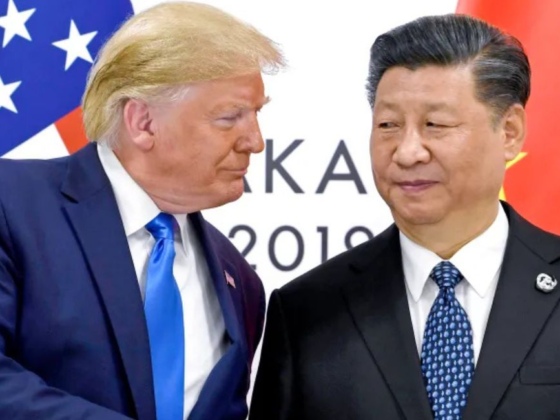
The twin crashes coincided with President Trump’s diplomatic tour of Asia, where he is expected to meet Chinese President Xi Jinping later this week to discuss trade relations. Treasury Secretary Scott Bessent said a new trade framework between the two nations has already been reached, helping to ease recent tensions.
The USS Nimitz, one of the world’s largest and oldest aircraft carriers, remains operational but is slated for retirement next year.