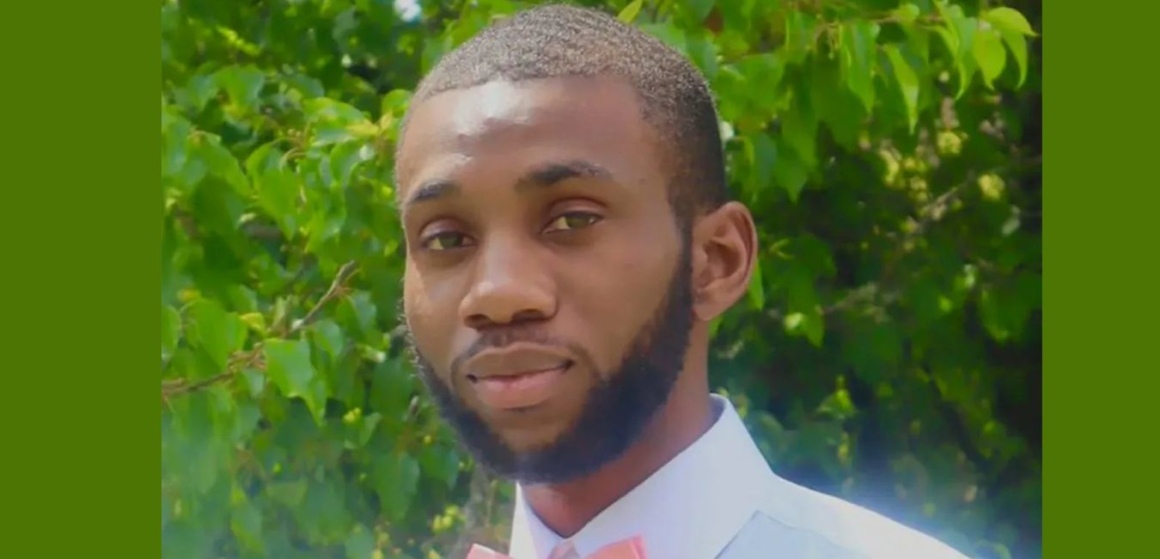
The death of Demartravion “Trey” Reed, a 21-year-old Delta State University student found hanging from a tree on campus, has officially been ruled a suicide by authorities — but his family and community members are demanding answers.
Reed’s body was discovered Monday morning near the university’s pickleball courts, according to campus police Chief Michael Peeler. The incident, given Mississippi’s long history of racial violence, immediately drew national attention and raised troubling questions.
Bolivar County Coroner Randolph “Rudy” Seals Jr. reported that preliminary findings showed “no lacerations, contusions, compound fractures, broken bones, or injuries consistent with an assault.” Investigators added that there are videos of the incident, which remain in the hands of authorities. Cleveland Police confirmed that all investigative material has been turned over to the FBI and the U.S. attorney’s office. Mississippi Department of Public Safety Commissioner Sean Tindell also addressed speculation, stating, “I condemn the rumors circulating regarding his death.”
Still, Reed’s family says the ruling leaves them unconvinced. On Tuesday, they retained civil rights attorney Ben Crump, who announced that he and his team would be pushing for full transparency. “We cannot accept vague conclusions when so many questions remain,” Crump said in a statement. “Trey’s death evoked the collective memory of a community that has suffered a historic wound over many, many years and many, many deaths. Peace will come only by getting to the truth.”
Crump revealed that the family plans to conduct its own independent autopsy, paid for by the Autopsy Initiative, a program launched by Colin Kaepernick’s Know Your Rights Camp. He is also demanding that all video evidence in the investigation be shown to Reed’s loved ones.
Delta State University President Dan Ennis acknowledged how devastating the discovery was for students and staff. “We recognize that this is not only about the facts. It is about emotions, and it’s about feelings and the way this loss and how it was discovered affects people’s lives,” Ennis said. He admitted he could not fully capture the weight of the imagery, noting, “I admit that I am not adequate to speak to the imagery that this incident raises and acknowledge my weakness in that regard.”
Family members stressed that Reed was looking forward to his future and had shown no signs of distress. “When he went back to Delta State University, he was a fun-loving person, and our question is: What happened?” attorney Vanessa J. Jones asked on behalf of the family.
The case has caught the attention of lawmakers as well. Democratic Rep. Bennie Thompson, who represents the area, urged federal authorities to get involved, stating, “We must leave no stone unturned in the search for answers. While the details of this case are still emerging, we cannot ignore Mississippi’s painful history of lynching and racial violence against African Americans.” Thompson’s office confirmed that the Trump administration had received his request for a federal probe but had not yet issued a response.
The tragedy also drew comparisons to past cases, including the 2015 investigation into Otis Byrd, a 54-year-old Black man found hanging in Claiborne County, Mississippi. That case was ultimately closed without charges after the Justice Department concluded there was no evidence of homicide.
Reed’s death came just hours before a separate hanging was reported in Vicksburg, where the body of 35-year-old Cory Zukatis, a White man, was found. Police there said the two cases are not connected.
Delta State, a small public university in Cleveland, Mississippi, with an enrollment of around 2,600 students — 43% of whom are Black — has been shaken by the tragedy. The school canceled a planned centennial celebration after Reed’s death and has increased its law enforcement presence on campus following threats that surfaced online. “This is an isolated incident,” Chief Peeler said, emphasizing that students remain safe.
Ennis said the university is focusing on healing. Faculty have been asked to show “exceptional care” for students, with options like assignment delays, curriculum adjustments, and counseling services. “Together we will mourn. Together we will heal. And together we will move forward to restore a safe and supportive environment for every member of this campus and community,” Ennis wrote in a letter.
For Reed’s family and supporters, though, the search for answers is far from over. “We cannot move forward until we have transparency,” Crump said.