The Labor Department has launched an inquiry into the Bureau of Labor Statistics (BLS) following recent changes to its data collection practices and significant revisions to employment reports.The department’s inspector general highlighted BLS’s decision to reduce surveys for two key inflation reports and the large downward revision of employment estimates, citing challenges in “collecting and reporting closely watched economic data.” Officials are reviewing how these changes may have affected economic reporting.
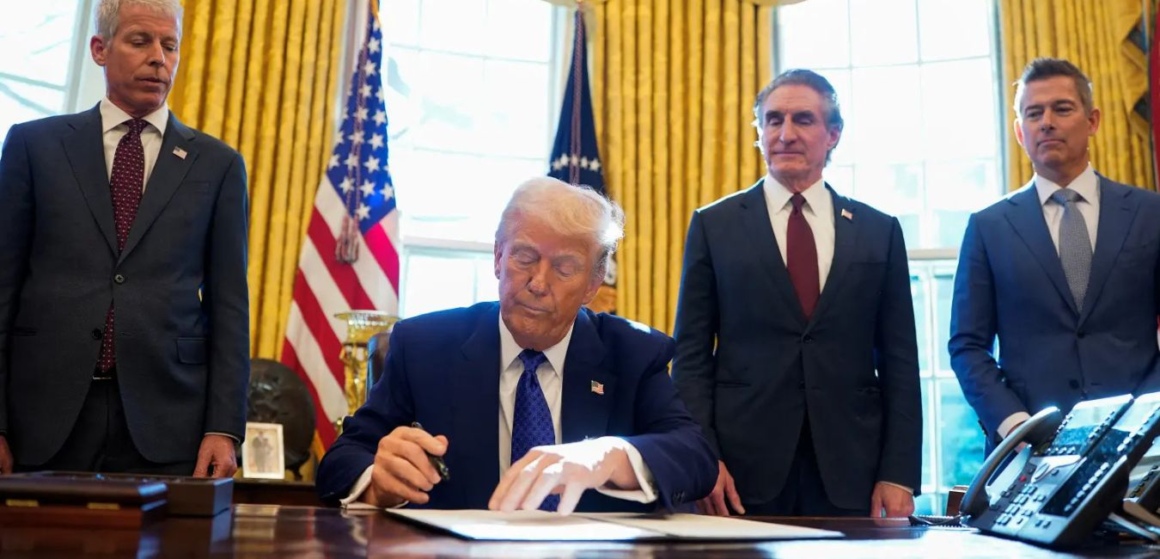
The investigation comes a month after President Donald Trump fired the head of BLS, part of a broader campaign critics say risks politicizing the agency. Traditionally independent, BLS is responsible for tracking essential economic indicators, including jobs, wages, and inflation, which guide policymaking and financial markets.
Trump’s scrutiny of the agency coincides with concerns about a U.S. economic slowdown. Just before the leadership change, BLS released weaker-than-expected jobs numbers, which Trump claimed were manipulated—a charge economists have dismissed as unfounded.
Federal Reserve Chair Jerome Powell defended the integrity of federal economic data, stating, “The government data is really the gold standard in data. We need it to be good and to be able to rely on it.” Powell emphasized that accurate and reliable statistics are critical for Fed policy decisions.
Trump has nominated E.J. Antoni, an economist affiliated with the Heritage Foundation, to lead BLS—a move that has drawn criticism from economists concerned about political influence over statistical reporting. While BLS says survey reductions were necessary due to budget constraints, experts note that large annual employment revisions are routine through benchmarking and reflect longstanding data collection challenges rather than manipulation.
The investigation could have wide-ranging implications for trust in U.S. economic data, which both policymakers and businesses rely on to make informed decisions.