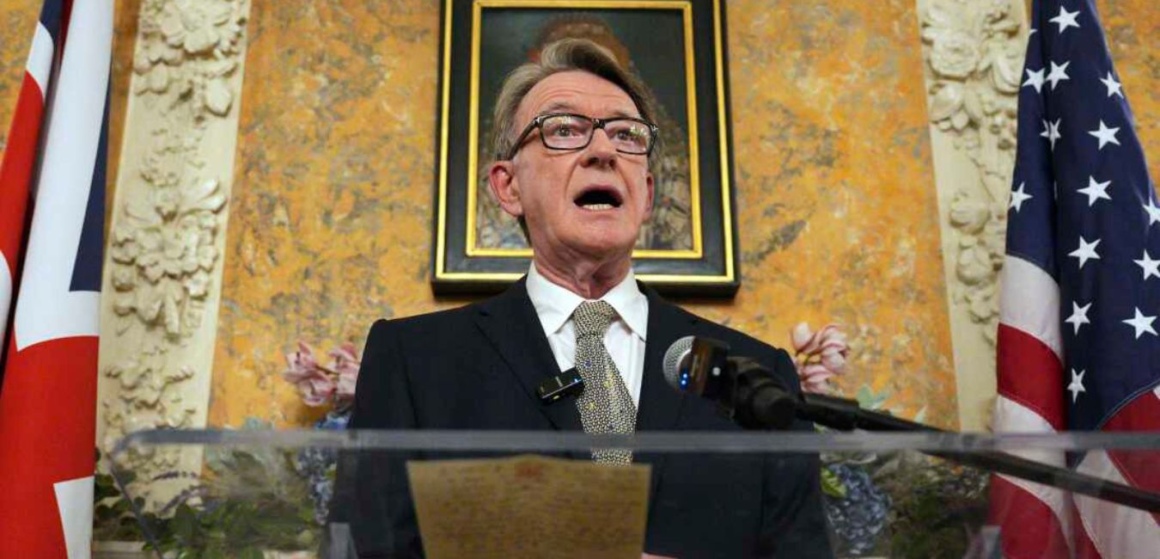
Peter Mandelson has been dismissed as Britain’s ambassador to the United States amid growing controversy over his ties to the convicted sex offender Jeffrey Epstein, creating another political headache for Prime Minister Keir Starmer. The decision comes after a series of revelations that cast Mandelson’s longstanding friendship with Epstein in a new, highly scrutinized light.
The controversy intensified when U.S. lawmakers released a so-called “birthday book” compiled for Epstein’s 50th birthday in 2003. In it, Mandelson wrote a handwritten note calling Epstein “my best pal,” drawing renewed attention to their friendship. Despite the revelation, Starmer defended Mandelson in parliament on Wednesday, stating the ambassador had his “full confidence.”
However, the situation escalated further when Bloomberg published emails showing Mandelson had continued to support Epstein even after his 2008 conviction on two state prostitution charges. In the emails, Mandelson offered advice on how Epstein could handle his legal challenges, suggesting strategies drawn from Sun Tzu’s Art of War.
Announcing Mandelson’s removal, the UK Foreign Office said the emails revealed “the depth and extent” of Mandelson’s relationship with Epstein was “materially different from that known at the time of his appointment.” In a letter to embassy staff, Mandelson described serving as ambassador as the “privilege of my life” and said he regretted his association with Epstein. “I continue to feel utterly awful about my association with Epstein 20 years ago and the plight of his victims,” he wrote, adding that he had “no alternative” but to accept Starmer’s decision.
James Roscoe will serve as interim ambassador. Roscoe has been deputy head of mission at the embassy in Washington since July 2022.
Mandelson, often called the “Prince of Darkness” for his political maneuvering, has faced multiple controversies throughout his career. He resigned from senior government posts three times, including over undeclared loans and allegations of influencing a passport application for a wealthy donor. Despite these setbacks, he remained influential in British politics, serving as European Commissioner for Trade from 2004 to 2008 and later returning to government under Prime Minister Gordon Brown.
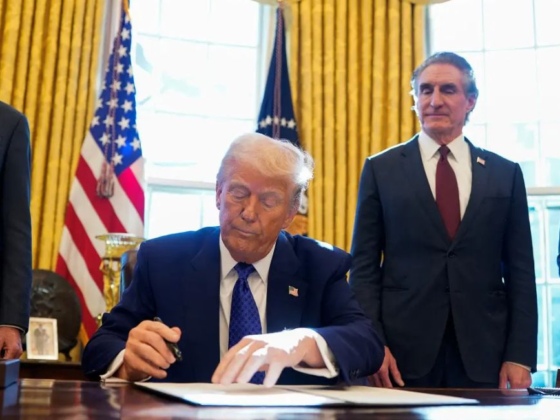
His appointment as ambassador under Starmer initially brought advantages, particularly in trade negotiations with the U.S. Mandelson played a key role in the U.S.-UK trade deal, earning praise from President Donald Trump during a May signing ceremony. “I’d like to have that accent too,” Trump said, to which Mandelson replied, “Thank you. My mother would be proud.”
Yet the Epstein revelations have turned Mandelson’s appointment into a political liability. The scandal comes just days after Starmer’s deputy, Angela Rayner, resigned over a property tax issue, compounding the Prime Minister’s recent challenges. Mandelson’s removal also arrives shortly before Trump is scheduled for a state visit to the UK, including a banquet at Windsor Castle with King Charles III, raising concerns that the Epstein controversy could overshadow the event.
Mandelson has publicly expressed regret about his friendship with Epstein. In an interview with The Sun, he called his note in the birthday book “very embarrassing” and admitted he feared more compromising communications could surface. He explained that he wrote the note prior to Epstein’s 2008 conviction and that he had been misled by assurances from Epstein about his legal troubles.
The Foreign Office stressed that Mandelson’s comments in support of Epstein’s conviction being challenged were “new information” and cited the victims of Epstein’s crimes as a key factor in the decision to remove him immediately.
Mandelson’s firing highlights the political risks Starmer faces in balancing appointments of high-profile figures with past controversies. While Mandelson’s skills and connections were valuable in Washington, the renewed focus on his ties to Epstein has forced Starmer to act decisively, even as the UK prepares to host Trump’s visit.