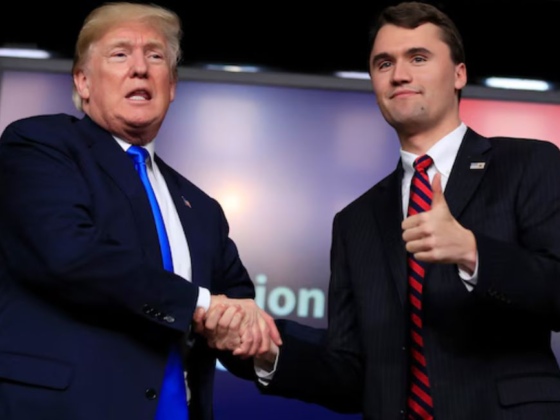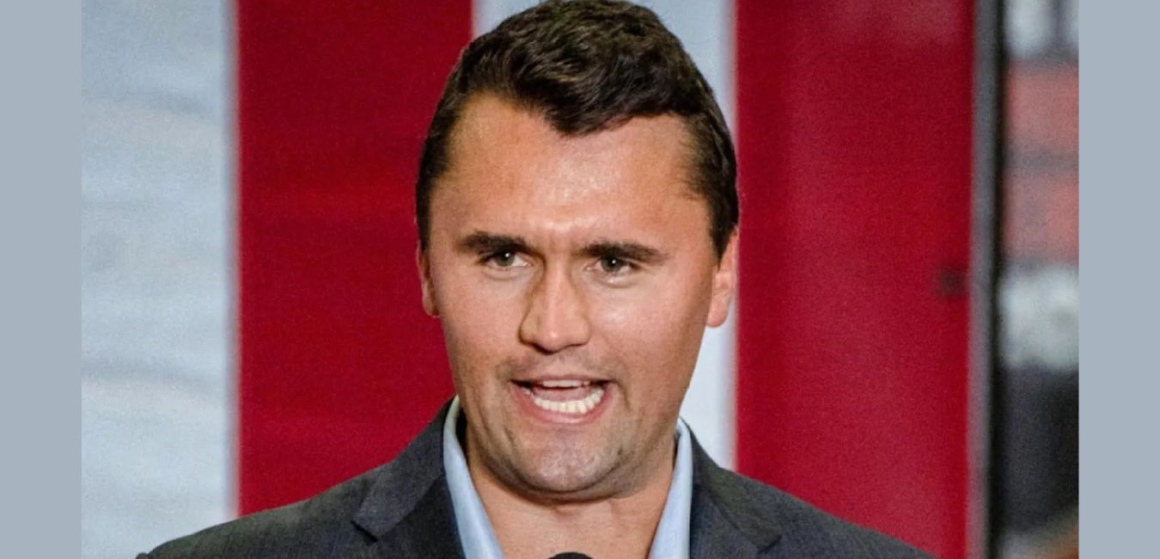
The assassination of Charlie Kirk at Utah Valley University on Wednesday sent shockwaves across the United States, highlighting the deepening political divisions and rising tide of violence targeting public figures. Kirk, 31, founder of Turning Point USA and a prominent voice in the conservative movement, was shot during a public event where he routinely engaged students in debate, inspiring young conservatives and challenging progressives. He was also a father of two, making the tragedy even more personal for his family and supporters.
“This is a chilling assault on free speech and democracy,” said Utah Governor Spencer Cox. “When someone takes the life of a person because of their ideas or their ideals, then that very constitutional foundation is threatened.” Cox urged Americans to pause, reflect, and reject the hatred that has permeated political discourse.
Former President George W. Bush also weighed in, warning of the dangers of political extremism: “Today, a young man was murdered in cold blood while expressing his political views. It happened on a college campus, where the open exchange of opposing ideas should be sacrosanct. Violence and vitriol must be purged from the public square.”
Authorities have yet to determine a motive for the shooting, and a manhunt for the perpetrator is ongoing. Kirk’s death comes amid a worrying pattern of attacks on political figures, including previous assassination attempts on former President Trump, targeted violence against lawmakers, and attacks on other public figures.
“This is a dark moment for America,” Trump said in a statement from the Oval Office. “Charlie Kirk is a martyr for truth and freedom. My administration will find each and every one of those who contributed to this atrocity and to other political violence, including the organizations that fund it and support it.” He specifically emphasized political violence against Republicans, reflecting the polarized political climate.
Social media erupted in response to Kirk’s death, exposing the bitter polarization in the country. Some users celebrated the assassination, while others called for justice and calm. On Capitol Hill, tensions flared when Republican Rep. Anna Paulina Luna accused Democrats of causing the tragedy, and Democratic Rep. Alexandria Ocasio-Cortez stressed the need for gun safety reforms to prevent further violence.
Cox urged Americans to rise above political hatred, stating, “Nothing I can say right now can fix what is broken … we desperately need leaders in our country, but more than the leaders, we need every single person to think about where we are and where we want to be.”
The assassination highlights a broader trend of political violence in the U.S., fueled by deep divisions, extremist rhetoric, and easy access to firearms. In recent years, the country has witnessed numerous attacks on politicians and public figures, including Minnesota House Speaker Emerita Melissa Hortman and her husband, as well as attempted killings of public officials such as Gabrielle Giffords and Steve Scalise. Political murders in other Western nations, such as the assassinations of former Japanese Prime Minister Shinzo Abe and Israeli Prime Minister Yitzhak Rabin, illustrate that such violence is not unique to America, yet the U.S. remains particularly vulnerable due to its polarized politics and gun culture.
Analysts worry that Kirk’s death could spark retaliatory acts, deepen political animosity, and further destabilize the public sphere. Much will depend on the response of Republican leaders, particularly Trump, who has a history of using extreme rhetoric. Experts stress that without strong calls for unity and restraint, the cycle of political violence may intensify.
Historically, political assassinations have left deep scars on American society, from Abraham Lincoln and John F. Kennedy to Robert F. Kennedy and Martin Luther King Jr. In recent decades, shootings targeting public figures such as Steve Scalise and Gabrielle Giffords remind the nation of its vulnerability to political violence. Kirk’s assassination may now serve as another grim marker in the ongoing struggle to protect democratic discourse and prevent violence from overshadowing civil debate.
In the aftermath of the shooting, national leaders and citizens alike face the challenge of preventing anger and grief from spiraling into further bloodshed. The tragedy underscores the urgent need for political moderation, stricter gun regulations, and a renewed commitment to civil discourse in an era where hatred and extremism threaten the nation’s democratic foundation.