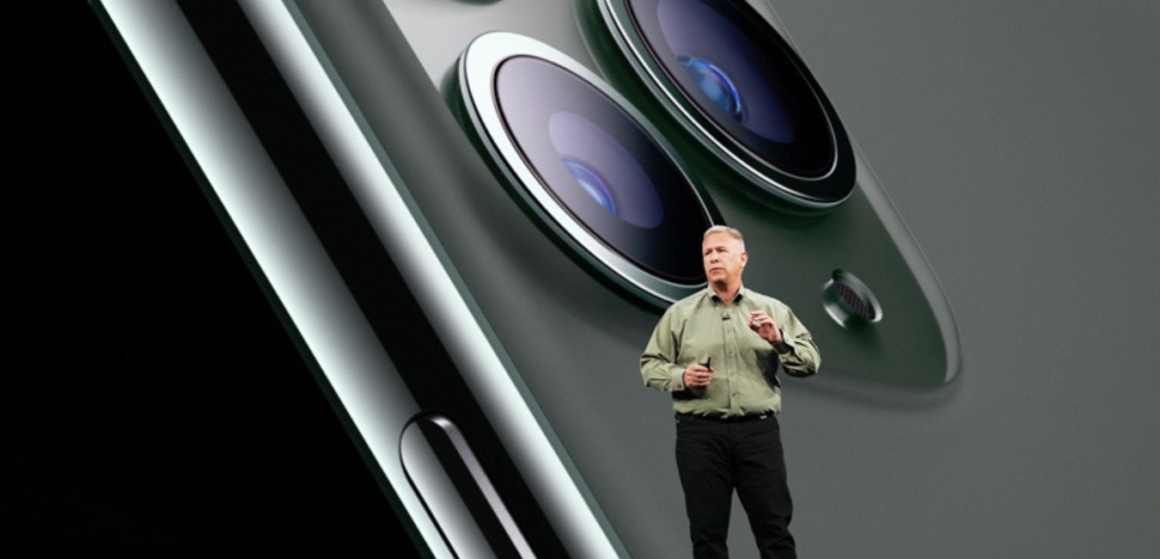
Apple is set to shake up its iPhone lineup on September 9, potentially unveiling a slimmer model called the iPhone Air, alongside the iPhone 17 and new Apple Watch models. This would mark the first major iPhone redesign since 2017, when the iPhone X eliminated the home button and introduced Face ID, setting the stage for the models that followed.
Unlike previous redesigns, the iPhone Air may add variety rather than redefine the iPhone’s future, analysts say. Apple faces the challenge of convincing consumers to upgrade, as many now hold onto their phones longer and only switch when new features feel compelling.
Focus On Hardware Over AI
While rivals Samsung and Google have emphasized AI features, Apple is expected to concentrate on hardware improvements such as battery life, camera performance, and sleek design. Ted Mortonson, a technology strategist at Baird, noted:
“Apple’s AI advancements likely aren’t ready yet. The company is under pressure to impress when it does deliver new AI tools or else it could risk losing customers to Samsung and Google.”
Earlier this year, Apple delayed a high-profile Siri update that would have allowed the assistant to act across apps and respond to on-screen content. CEO Tim Cook said during the company’s July earnings call:
“Taking a step back, we see AI as one of the most profound technologies of our lifetime. We are
Despite the buzz around AI, analysts say it isn’t driving consumers into stores. Nabila Popal, senior director at IDC, noted that AI upgrades alone may not be enough to prompt upgrades, especially as many users hold their devices longer.
Price And Tariff Concerns
Price will be a key focus for both consumers and investors. Analysts from Morgan Stanley and Loop Capital predict potential price increases, possibly by eliminating lower storage options on the iPhone 17 Pro to drive sales toward higher-end models. Runar Bjørhovde of Canalys explained:
“Normally, it’s not a good sign for a launch event when the price is the big focus… Apple doesn’t like to change the prices over time, so whatever is set from Day 1 is normally a key indicator on what we will see for the next year.”
President Donald Trump’s tariffs on imported goods make pricing even more significant, as any changes could impact the U.S. market and consumer expectations globally.
Challenges With a Fourth iPhone Model
Apple has struggled in recent years to find a fourth iPhone model that resonates with consumers. The iPhone Mini was discontinued after just two generations, and the Air is expected to replace the Plus model. While it may feature compromises such as a single camera instead of dual lenses, analysts are optimistic. Dipanjan Chatterjee, VP and principal analyst at Forrester, said:
“The Air version of the MacBook has stuck. The Air version of the iPad has stuck. So, there’s good reason to believe that the Air version — a slimmer, thinner iPhone — will.”
Looking Ahead
The upcoming event will also clarify whether Apple’s flagship phones will see price adjustments due to tariffs, and whether the iPhone Air can capture consumer interest in a market where upgrades are increasingly selective. With a focus on core functionality, sleek design, and strategic pricing, Apple is betting that the iPhone Air can reinvigorate interest while maintaining the success of its established lineup.