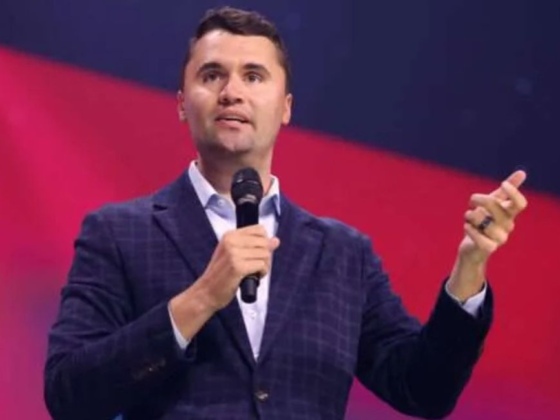
Students at Utah Valley University (UVU) returned to classes Wednesday, nearly a week after conservative activist Charlie Kirk was tragically shot and killed on campus, leaving the community deeply shaken and thrust into the national spotlight. The attack has left lasting emotional scars on students, faculty, and staff, raising questions about campus safety and political violence in the United States.
Nyasha Paradzai, a UVU junior from Zimbabwe, was standing just a few feet away from Kirk, waiting to engage in a debate when the shooting occurred. “I was literally a few feet away from him and when the tragic shooting happened, I was squarely facing him, so I watched that unfold,” Paradzai told. He described the experience as surreal and horrifying: “In my world, you don’t hear guns. This was very new for me, not only to hear one, but to have it fired at someone right in front of you and have them bleed out in front of you was horrific.” Paradzai said that even days later, he continues to relive the moment. “Right now, I’m working to get that horrific image out of my head, because, you know, it’s almost every time you close your eyes, you see it again.”
Tiana Lao, another junior who attended the event with her roommate, also recounted the lasting impact of the shooting. “Both me and my friend can still hear the gunshot clearly in our minds. We can’t get it out of our heads. It’s something that we can’t forget,” she said. Returning to campus caused physical reactions of fear and anxiety. “I thought I was going to be fine until I got there. My hands – I couldn’t stop shaking. And my heart was racing,” Lao said. She added that seeing graphic videos of the shooting online amplified her trauma.
UVU, which enrolls approximately 45,000 students, has taken steps to support its community in the aftermath of the tragedy. Counseling services and accommodations for students affected by the shooting are available, including extended deadlines and online learning options. University President Astrid S. Tuminez stressed the importance of community healing in a letter to students and staff: “Together we will mourn. Together we will heal. And together we will move forward to restore a safe and supportive environment for every member of this campus and community.”
Faculty also held a virtual town hall to discuss strategies for helping students process the event. Erik Nystul, director of government internships at UVU, reflected on the courtyard where Kirk was shot, calling it normally “the most peaceful place on campus.” He emphasized the university’s goal of restoring that sense of calm while acknowledging the lasting impact of the incident. “When I arrived on campus, I wished that it was empty, that there was no signs that anything had ever happened there,” he said.
The suspect in Kirk’s killing has been arrested and charged with aggravated murder, among other offenses, after a days-long manhunt. Security measures are expected to be reviewed and strengthened, especially during campus events that host public speakers. Lao expressed hope for increased safety measures in the future, noting that the tragedy has heightened awareness of the need to protect students.
For the UVU community, returning to campus is both a practical necessity and an emotional challenge. Students like Paradzai and Lao are trying to navigate everyday routines while coping with trauma, as the university works to foster a sense of safety and solidarity. As the investigation continues and the campus mourns, the events of last week have left an indelible mark on Utah Valley University, a reminder of how quickly political violence can penetrate even the most peaceful academic settings.